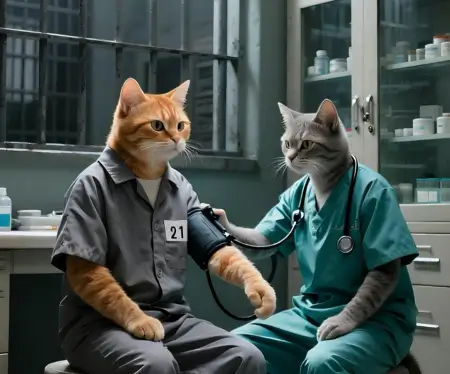
For pet parents, a vet bill shouldn’t be a source of anxiety—but unscrupulous pet hospitals turn it into a trap with hidden fees, unnecessary charges, and opaque pricing. Here’s how they exploit your love for your furry friend through vet bills, plus red flags to spot them fast.
1. Unnecessary Tests & Treatments: Inflate Bills for No Reason
Shady clinics skip detailed consultations and jump straight to pricey exams, even when they’re not needed.
- 🫡 Common tricks
Order full blood panels, X-rays, or ultrasounds for a simple upset stomach; recommend “premium” IV drips for mild dehydration that could be fixed with oral fluids. - 💰 Bill impact
A $50 basic checkup turns into a $500+ bill with redundant tests that don’t help diagnose the issue. - ⚠️ Red flag
The vet can’t explain why a test is necessary, or pushes “comprehensive packages” without your consent.
😊 Disclosure: If you buy something through my links, I may earn an affiliate commission at no cost to you. I only feature things I truly love here. Thanks for your support.
2. Hidden Fees & Vague Pricing: No Transparency, No Surprises (Until You Pay)
These clinics never provide a cost estimate upfront, and sneak extra charges into your final bill.
- 🫡 Common tricks
Add “handling fees” “disinfection fees” or “emergency surcharges” out of nowhere; charge for “follow-up calls” you never requested; mark up generic meds to 3–5x their actual cost. - 💰 Bill impact
You thought you’d pay $200 for a spay surgery, but the final bill has $100 in hidden fees you never agreed to. - ⚠️ Red flag
The receptionist avoids giving a written estimate; the bill has line items with no clear descriptions (e.g., “miscellaneous services”).
3. Prescribing Unneeded Meds: Push Expensive Drugs for Profit
Unqualified vets prescribe meds that don’t match the diagnosis, or push branded drugs over cheaper generics.
- 🫡 Common tricks
Prescribe antibiotics for viral infections (they don’t work!); sell “special pet vitamins” as a “must-have” for recovery; refuse to give you a prescription so you have to buy meds from their clinic. - 💰 Bill impact
You pay $80 for a branded antibiotic when a $20 generic version would work the same. - ⚠️ Red flag
The vet insists you buy meds only from their clinic, or can’t tell you the side effects of the drugs they’re prescribing.
4. Fear-Mongering: Scare You Into Paying More
These clinics use your worry about your pet to pressure you into expensive treatments.
- 🫡 Common tricks
Claim a minor skin rash is “life-threatening” without running tests; say your pet “needs urgent surgery” for a small tumor that could be monitored; threaten that delaying treatment will “kill your pet.” - 💰 Bill impact
You cave to their scare tactics and pay $1,000+ for a surgery your pet didn’t need. - ⚠️ Red flag
The vet uses alarmist language but can’t show you test results to back up their claims.
5. Fake Diagnoses: Make Up Illnesses to Bill You
In the worst cases, unethical clinics invent health issues that don’t exist—all for the sake of profit.
- 🫡 Common tricks
Tell you your healthy dog has “early-stage kidney disease” to sell you a $300 “treatment plan”; claim your cat’s normal shedding is a “skin disorder” requiring expensive shampoos. - 💰 Bill impact
You waste hundreds on treatments for a non-existent illness, while your pet gets unnecessary meds that could harm their health. - ⚠️ Red flag
The diagnosis changes if you say you can’t afford the treatment; no follow-up tests are done to confirm the issue.
How to Protect Yourself From Bill Traps
- Always ask for a written estimate before any treatment—include tests, meds, and procedures. Don’t agree to anything that’s not on the list.
- Demand explanations: If a test or treatment is recommended, ask “What will this tell us?” and “Is there a cheaper alternative?”
- Check vet credentials: Only use clinics with a valid Animal Medical Practice License and vets who hold a Practicing Veterinarian Certificate.
- Compare prices: For non-emergency care, get quotes from 2–3 clinics before deciding.
- Keep all receipts and records: Save your vet bill, prescriptions, and test results—they’re your proof if you need to dispute charges later.
😊 Disclosure: If you buy something through my links, I may earn an affiliate commission at no cost to you. I only feature things I truly love here. Thanks for your support.