Maybe you’ve never dreamed of becoming a veterinarian, nor do you need to fuss over vet school applications, tuition fees, or career planning. But as a pet lover, chances are you’re curious about which top-tier universities nurture the vets who heal our furry friends and guard their health for a lifetime.
These veterinary colleges are not just breeding grounds for outstanding veterinarians—they’re also hubs of cutting-edge research into animal health and medical technologies. Even a casual look can deepen your understanding and respect for the pet healthcare field.
A quick note: When we talk about “top vet schools in the U.S.”, rankings (like those from U.S. News & World Report) typically weigh factors such as research funding, clinical resources, and licensing exam pass rates. Yet there’s no such thing as an absolute “best”—every school has its own strengths and specialties. It’s just like how different vets excel in different fields of practice: the right fit is always the best fit.
Now let’s take a closer look at some highly regarded veterinary colleges and explore what makes each of them shine.
University of California, Davis (UC Davis)

- Standout strengths: Consistently tops national and global rankings for veterinary medicine. It boasts an $85M+ annual research budget, a sprawling veterinary medical teaching hospital with 28+ specialized services (covering companion animals, livestock, wildlife, and even marine animals), and a 98% NAVLE pass rate. It’s ideal for students aiming for careers in research, exotic animal care, or public health.
- Considerations: The acceptance rate is extremely low (around 10% for out-of-state applicants), and California’s cost of living is high. Its rural Davis campus may not suit those who prefer a bustling city environment.
Cornell University

- Standout strengths: As an Ivy League institution, it blends academic prestige with hands-on clinical training. It offers dual-degree options (DVM/MPH, DVM/PhD) and early access to clinical rotations. With a 97.4% NAVLE pass rate and $35M+ in research funding, it excels in infectious disease research and companion animal medicine.
- Considerations: Tuition is steep (over $70,000 per year for both in-state and out-of-state students), and the Ithaca campus has a cold, snowy climate that may not appeal to everyone. It’s better suited for students with strong research interests rather than those focused on rural food animal practice.
Texas A&M University
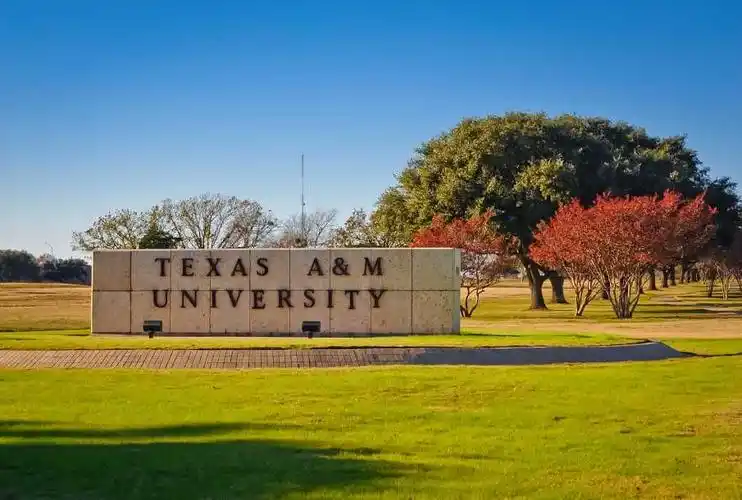
- Standout strengths: A top pick for cost-conscious students and those interested in food animal medicine or rural veterinary outreach. In-state tuition is roughly $22,000 per year (far lower than private schools), and it has an impressive 99% NAVLE pass rate. It also leads in disaster response training for animals, a niche but critical field.
- Considerations: Its strength lies in large animal care, so it may not offer as many specialized tracks for exotic pets or small animal dermatology as coastal schools. The College Station campus is in a small college town, which lacks the amenities of a major city.
Colorado State University

- Standout strengths: Ranked #2 by U.S. News, it’s renowned for its practical, hands-on training. The James L. Voss Veterinary Teaching Hospital handles 42,000+ cases annually, giving students ample clinical exposure. It’s a great fit for students who want to work in general practice or companion animal care.
- Considerations: While tuition is more affordable than Ivy League schools, out-of-state costs still hover around $50,000 per year. Its focus is more on clinical practice than cutting-edge research, so it may not be ideal for aspiring researchers.
University of Pennsylvania (Penn Vet)

- Standout strengths: A leader in urban veterinary medicine, with two world-class facilities: the Ryan Veterinary Hospital (for companion animals, handling 50,000+ cases yearly) and the New Bolton Center (a premier large animal hospital). It’s perfect for students targeting careers in busy city practices or specialty care (like oncology or neurology).
- Considerations: Tuition is among the highest in the country (over $80,000 per year), and the Philadelphia campus has a higher cost of living. Its urban focus means fewer opportunities for rural or livestock medicine training.
At the end of the day, rankings don’t tell the whole story. What matters most is how each school’s strengths match the kind of animal care it focuses on—and that’s the fun part of learning about them as pet lovers!

😊 Disclosure: If you buy something through my links, I may earn an affiliate commission at no cost to you. I only feature things I truly love here. Thanks for your support.