Bring a Mat (or Small Blanket)
Pets may need IV infusion during treatment, but many owners forget to bring a mat. Hospital IV and palpation tables are metal—cold even in summer—and unsanitary when the clinic is busy. Laying your pet on them for hours could make them uncomfortable or sick. So remember to bring a mat; a small blanket is even better to keep them warm during the infusion.

😊 Disclosure: If you buy something through my links, I may earn an affiliate commission at no cost to you. I only feature things I truly love here. Thanks for your support.
Choose an Experienced Injection Doctor
A skilled doctor can minimize your pet’s discomfort. We’ve seen interns cause unnecessary bleeding with subcutaneous or block injections. Experienced vets usually insert IV needles successfully on the first try. Once, a new doctor failed four times, making our pet suffer—so we always wait for our trusted vet if they’re not available.
Prevent IV Needle Dislodgment
The infusion room is busy, so you’ll need to help keep the needle in place. Dislodged needles are painful for pets—fluid leaking into muscles causes swelling. Hold your pet’s paw firmly (in front of the needle, never the arm, as that pinches blood vessels) since they’ll be nervous and fidget. You can check for backflow as the doctor teaches, but don’t overdo it—repeated checks may dry blood in the needle (we learned this the hard way, making our cat get a second injection).
Keep IV Drip Slow, Not Fast
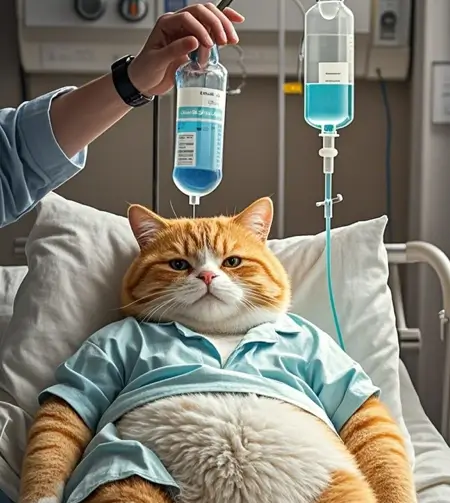
Never speed up the IV drip—fast infusion can be fatal, even for humans, let alone small pets. This is especially critical for post-surgery pets or when using large-molecule drugs. If your pet pants, the drip is too fast. Infusions can take 4-8 hours, so be prepared. It’s normal for pets to urinate once or twice during this time—remember to put a pee pad under them.
Avoid Cross-Contamination
Hospitals have many viruses and bacteria, and most pets there are ill. To keep your pet safe: don’t let them touch other pets (especially strays with unknown health status), don’t touch other people’s pets, and don’t let others touch yours. This simple step prevents cross-contamination.
😊 Disclosure: If you buy something through my links, I may earn an affiliate commission at no cost to you. I only feature things I truly love here. Thanks for your support.